
Paint performs best when it is applied to a clean, properly prepared exterior surface. Dust, pollen, chalky residue, organic buildup, cobwebs, and other contaminants can remain between the existing surface and the new coating if they are not addressed before painting.
A1A Supreme Cleaning provides professional pre-painting pressure washing in Escondido, CA, for compatible stucco, siding, wood, fencing, masonry, and other exterior surfaces. We assess the material, existing coating, visible deterioration, and type of contamination before selecting an appropriate cleaning method.
Our responsibility is the exterior cleaning stage. Painting, scraping, sanding, repairs, caulking, priming, moisture testing, and final surface approval remain the responsibility of the homeowner or painting contractor unless otherwise stated in writing.
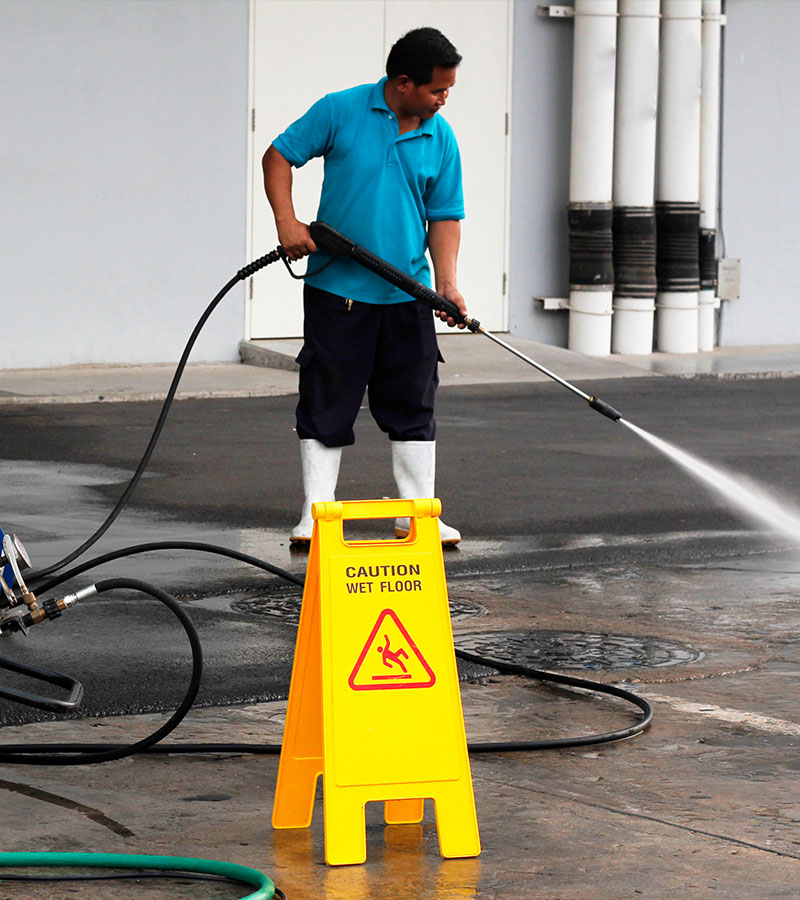
Pre-painting pressure washing is the controlled cleaning of compatible exterior surfaces before primer or paint is applied.
The purpose is to remove suitable surface contamination and provide a cleaner starting point for the remaining preparation work. It is not intended to strip every existing coating or replace the painter’s complete preparation process.
Depending on the surface and condition, pre-paint cleaning may address:
Once cleaning is complete, the surface must be allowed to dry and evaluated by the person responsible for painting.
Applying primer or paint over contamination can leave dirt, chalk, or organic residue beneath the new coating. Cleaning helps expose the actual condition of the surface so that the painter can determine what additional preparation is required.
Professional pressure washing before exterior painting can:
Pressure washing alone does not guarantee paint adhesion or coating life. The painter’s assessment and the coating manufacturer’s instructions should determine whether the surface is ready for primer or paint.
Depending on the written estimate, pre-painting pressure washing in Escondido may include:
Unless specifically confirmed in writing, the service does not include:
Pre-paint cleaning is intended to clean compatible surfaces—not remove every existing coating.
Aggressive paint removal with pressure can damage stucco, siding, or wood; force water behind exterior materials; scatter paint chips; and create additional containment requirements.
Tell A1A if the property was built before 1978 or if lead-based paint or another hazardous coating may be present. Work that could disturb a regulated coating may require testing, containment, or an appropriately certified contractor.
Correctly identifying the surface condition helps determine whether washing is appropriate and what the customer should expect.
Condition | Common Appearance | Cleaning Consideration |
Dirt and dust | Brown, gray, or uneven surface film | May respond to surface-appropriate washing |
Chalking | Powdery residue from an aging coating | Cleaning may reduce residue, but the painter must assess the remaining coating |
Organic buildup | Green, dark, or patchy growth | May require an appropriate treatment rather than pressure alone |
Mineral residue | Pale or chalky deposits near irrigation | May require targeted treatment; complete removal is not guaranteed |
Loose paint | Peeling, curling, or flaking coating | May become more visible during cleaning; removal is a separate task |
Surface damage | Cracks, rot, delamination, or failed joints | Requires repair or specialist assessment |
A hand-wipe test may reveal powdery chalking, but it does not replace a professional coating assessment. Not every pale deposit is chalk, and not every dark mark is organic growth.
Stucco is common on Escondido properties and may collect dust, chalky residue, irrigation deposits, and organic buildup.
Before cleaning, we look for visible cracks, loose areas, previous repairs, coating failure, and openings where water could enter. Vulnerable or deteriorated stucco should not automatically receive aggressive pressure.
For general stucco cleaning not connected to a painting project, visit our stucco pressure washing services in Escondido page.
The siding material, seams, age, coating, and visible condition help determine whether controlled pressure washing or a lower-pressure method is more appropriate.
Open joints, damaged panels, failed caulking, and water-entry risks should be identified before cleaning begins.
Wood siding, fascia, shutters, and trim may be affected by weathering, peeling coatings, splitting, or rot.
Cleaning can address suitable surface contamination. It cannot repair deteriorated wood, weakened joints, or structural damage.
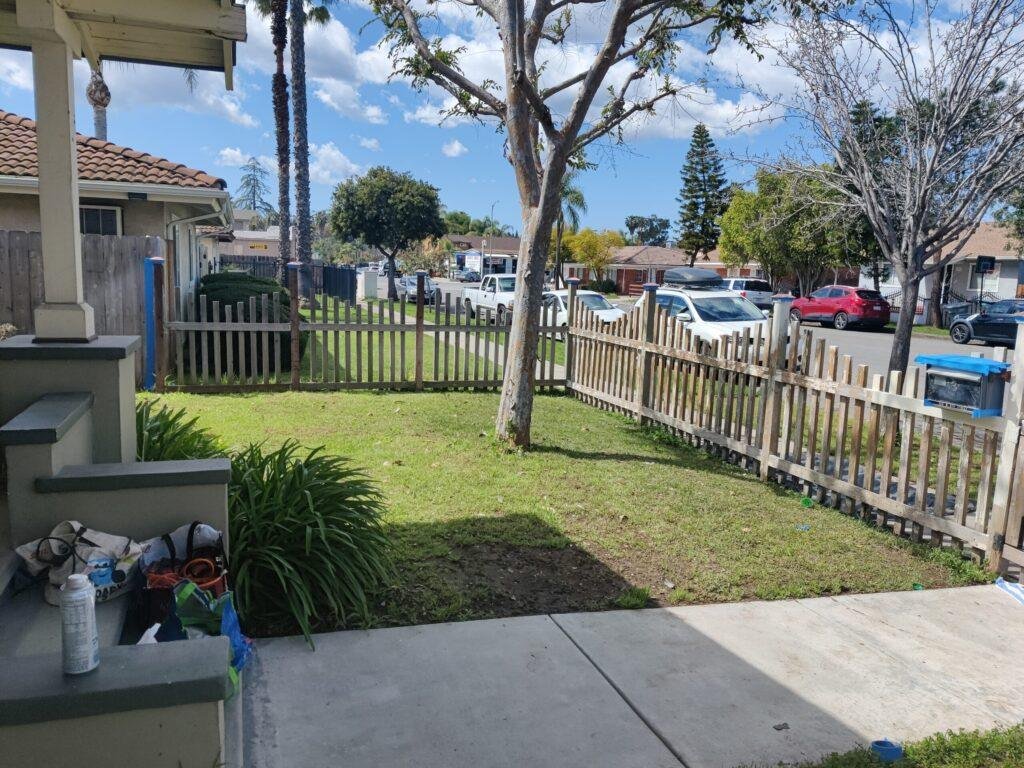
Compatible wood, vinyl, and coated fencing may require cleaning before repainting or refinishing.
Loose boards, exposed fasteners, weakened posts, and coating failure can affect the cleaning scope and expected result.
Visit our deck and fence cleaning services for wood-specific cleaning guidance.
Deck cleaning requires careful control because wood fibers, existing coatings, and walking surfaces can respond differently from stucco or concrete.
Pre-paint cleaning does not automatically include coating removal, sanding, repairs, staining, or sealing.
Selected block, masonry, and concrete surfaces may be cleaned before a compatible coating is applied.
Cleaning cannot correct structural cracks, moisture movement, efflorescence, or failed repairs. The painting contractor must determine the preparation and coating system required.
Clear coordination helps prevent rushed drying, incomplete preparation, and confusion about which contractor is responsible for each stage.
Before scheduling house washing before painting, ask the painter:
Provide these instructions to A1A before the cleaning date whenever possible.
Step 1
Before finalizing the estimate, we identify:
If a painting contractor is involved, provide their preparation instructions before scheduling the cleaning.
Step 2
We visually assess accessible areas for contamination, coating failure, cracks, deterioration, and conditions that may affect washing.
This visual assessment does not replace lead testing, moisture testing, structural inspection, or evaluation by the painting contractor.
Step 3
Preparation may account for:
The protection required depends on the property and agreed service scope.
Step 4
After the surface has dried, the person responsible for painting should inspect it and determine whether additional work is required, including:
Painting should begin only after the painter accepts the surface.
Step 5
Maximum pressure is not automatically the correct solution.
We consider the surface material, coating condition, contamination, openings, and surrounding features when selecting the cleaning treatment, water pressure, working distance, and rinsing technique.
Delicate or coated surfaces may require a controlled lower-pressure approach.
Step 6
Suitable contamination is treated, and accessible surfaces are cleaned and rinsed while accounting for landscaping, openings, nearby materials, and drainage.
Some mineral deposits, embedded stains, deteriorated coatings, or deeply absorbed contaminants may remain visible after cleaning.
Step 7
Drying time depends on:
A universal waiting period should not be promised. The painter and coating manufacturer should determine when the surface is sufficiently dry for the next stage.
After the cleaning stage:
A1A completes the cleaning work identified in the estimate. The painting contractor controls the remaining preparation, primer application, and painting process.
Freshly painted walls, trim, siding, and other coated surfaces should not be pressure washed immediately after painting.
New coatings require sufficient curing time. The required period depends on the coating, surface, application conditions, and manufacturer’s instructions.
Any cleaning of a recently painted surface should wait until the painter or coating manufacturer confirms that it is permitted.
Paint splatter and overspray are also different from ordinary dirt. Removing them may require a specialized method and can potentially damage the underlying surface.
Pricing depends on the size, material, accessibility, and condition of the surfaces included.
Factors may include:
For a more accurate assessment, provide photographs of every surface scheduled for painting, close-ups of peeling or damaged areas, and any preparation instructions supplied by the painter.
Escondido properties can be exposed to dry-weather dust, strong sunlight, pollen, windblown debris, landscape irrigation, and periods of concentrated moisture.
Different parts of the same building may develop different conditions:
These variations are why A1A evaluates each surface instead of applying one pressure level or cleaning technique to the entire property.
Add authentic project evidence before publishing this section. Do not invent project details.
Use the following structure for a genuine completed project:
This evidence provides stronger local and experiential value than adding more generic service information.
A1A approaches pre-paint cleaning as a surface-specific service rather than applying maximum pressure to every exterior.
Our process focuses on:
Add verifiable trust signals near this section, such as A1A’s confirmed years in business, accurate review count, insurance information, authentic project photographs, and a relevant customer review.
When requesting an estimate, provide:
Exterior surfaces should be clean before painting, but the correct cleaning method depends on the material and coating condition. Compatible surfaces may be pressure washed, while delicate, damaged, or coated areas may require a lower-pressure approach.
There is no single drying period for every property. Material, temperature, humidity, shade, airflow, absorbed moisture, and the selected coating system affect drying time. The painter should approve the surface before primer or paint is applied.
Appropriate washing may reduce chalky residue, but the remaining coating still requires evaluation. Cleaning does not guarantee that an aging or deteriorated coating is suitable for repainting.
Compatible stucco can often be cleaned before painting. Cracks, loose areas, previous repairs, coating failure, and possible water-entry points should be assessed before choosing the cleaning method.
Scraping and sanding are not automatically included. A1A’s written estimate should clearly separate exterior cleaning from the painter’s preparation and repair responsibilities.
The painting contractor or person applying the coating should make the final decision. A1A performs the agreed cleaning work but does not guarantee coating adhesion or determine the complete painting system.